
The Impact of Humidity on Silverfish Infestations
Managing Humidity: A Proactive Approach to Silverfish Control
Humidity plays a pivotal role in attracting silverfish to homes, making it a critical factor in understanding and managing these persistent pests. Silverfish thrive in environments characterized by high moisture levels, as they are naturally drawn to dampness. This preference stems from their biological needs; silverfish require moisture to survive and reproduce, and humid areas provide the ideal conditions for their activities. Consequently, spaces such as bathrooms, basements, and kitchens are particularly vulnerable to silverfish infestations, as they often have higher humidity levels due to water use, poor ventilation, and inadequate moisture control. Check out: silberfische bekämpfen
The relationship between humidity and silverfish is not merely a matter of attraction. High humidity levels can directly influence the life cycle of silverfish, enabling them to breed more successfully and develop faster. When the moisture content in the air rises, it creates an optimal environment for silverfish to find food, mate, and lay eggs. As a result, homes with high humidity can quickly see an escalation in silverfish populations, leading to more significant infestations that can damage books, papers, and other materials. Understanding this connection emphasizes the importance of addressing humidity not only as a means of pest control but also as a fundamental aspect of maintaining a healthy living environment.
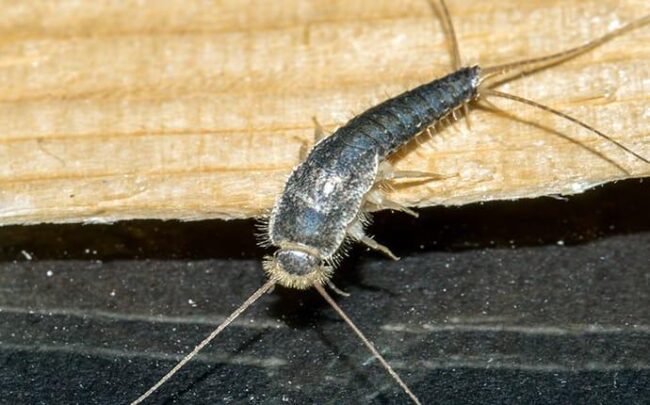
Controlling humidity levels within the home is essential for preventing silverfish infestations. One effective strategy is to ensure proper ventilation throughout the house. Opening windows and using exhaust fans in areas prone to moisture, such as kitchens and bathrooms, can help reduce humidity levels. Additionally, using dehumidifiers can be highly beneficial, particularly in basements or other areas that tend to gather moisture. By actively managing humidity, homeowners can create an environment that is less appealing to silverfish and disrupt their breeding cycles.
Regular maintenance also plays a crucial role in humidity control. Homeowners should routinely check for leaks in plumbing, roofs, and windows, as these can introduce excess moisture into the home. Repairing any identified leaks promptly will help maintain lower humidity levels. Furthermore, ensuring that gutters and downspouts are functioning correctly will prevent water from pooling around the foundation, which can contribute to increased indoor humidity.
Ultimately, the key to managing silverfish infestations lies in understanding the critical role humidity plays in their attraction and survival. By implementing effective strategies to control moisture levels, homeowners can significantly reduce the likelihood of encountering silverfish. Maintaining a dry, well-ventilated environment not only minimizes the risk of these pests but also promotes overall comfort and health within the home. Taking proactive steps to address humidity will lead to a more pest-free and enjoyable living space.