
The Hidden Dangers of Bruxism: Understanding Teeth Grinding
Recognizing the Signs and Symptoms of Teeth Grinding
Bruxism, commonly known as teeth grinding, is a condition that often goes unnoticed until significant damage occurs. Many individuals may grind their teeth during sleep or unconsciously during the day, leading to a range of dental and health issues. The pressure exerted on the teeth during grinding can result in enamel erosion, making teeth more susceptible to cavities and sensitivity. Over time, the repeated force can cause the teeth to wear down unevenly, leading to misalignment and a host of related complications. This deterioration not only affects the appearance of one’s smile but can also lead to more serious dental concerns that require costly treatments. Digital Smile Designer can help you with your dental problems.
The impact of bruxism extends beyond the teeth themselves. The excessive grinding can place immense strain on the jaw muscles and the temporomandibular joint (TMJ), often resulting in chronic pain or discomfort. This can manifest as jaw pain, headaches, and even neck pain, significantly impacting a person’s quality of life. Individuals may find it difficult to open their mouths wide or experience clicking sounds when moving their jaw. These symptoms can be exacerbated by stress, anxiety, and other lifestyle factors, creating a vicious cycle that is hard to break.
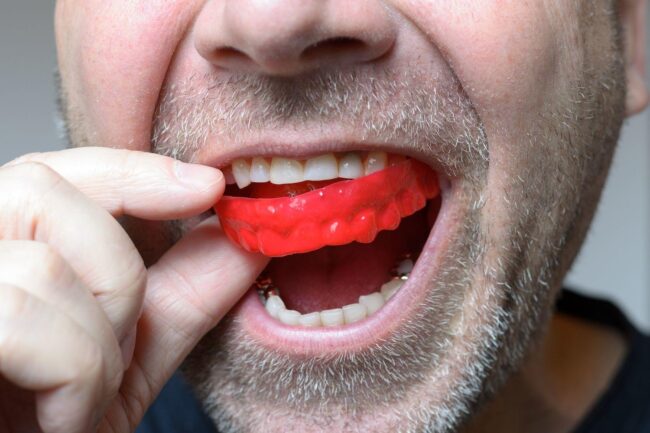
Moreover, bruxism can lead to complications such as sleep disorders. The grinding can disrupt sleep patterns, resulting in fatigue and irritability during the day. Those who suffer from bruxism may also experience anxiety or depression as a consequence of the discomfort and sleep deprivation. Addressing bruxism early on is crucial to mitigating its damaging effects. Dentists often recommend protective mouthguards to minimize the impact of teeth grinding during sleep, while lifestyle changes aimed at reducing stress can also be beneficial. Understanding the implications of bruxism is essential for maintaining oral health and overall well-being, emphasizing the importance of seeking professional guidance if grinding is suspected.